Make things. Do stuff.
Portfolio and journal for Stephen Schieberl
HUMAN LEARNING
I built this web site as a weekend project. This site came together quickly not because AI did it all for me, but because I combined decades of practice with the effective use of agentic coding. As a father who sees a future where tech engineering will matter even more than it does now, I have to ask a few questions. How will my children find a path which gives them the fundamental knowledge and skill they need to understand technology, while leveraging these tools in a balanced way? How will any young person get into the job market of the future if they learn to code, but can't use AI effectively—or have an over-reliance on AI and are unable to develop practical skills?
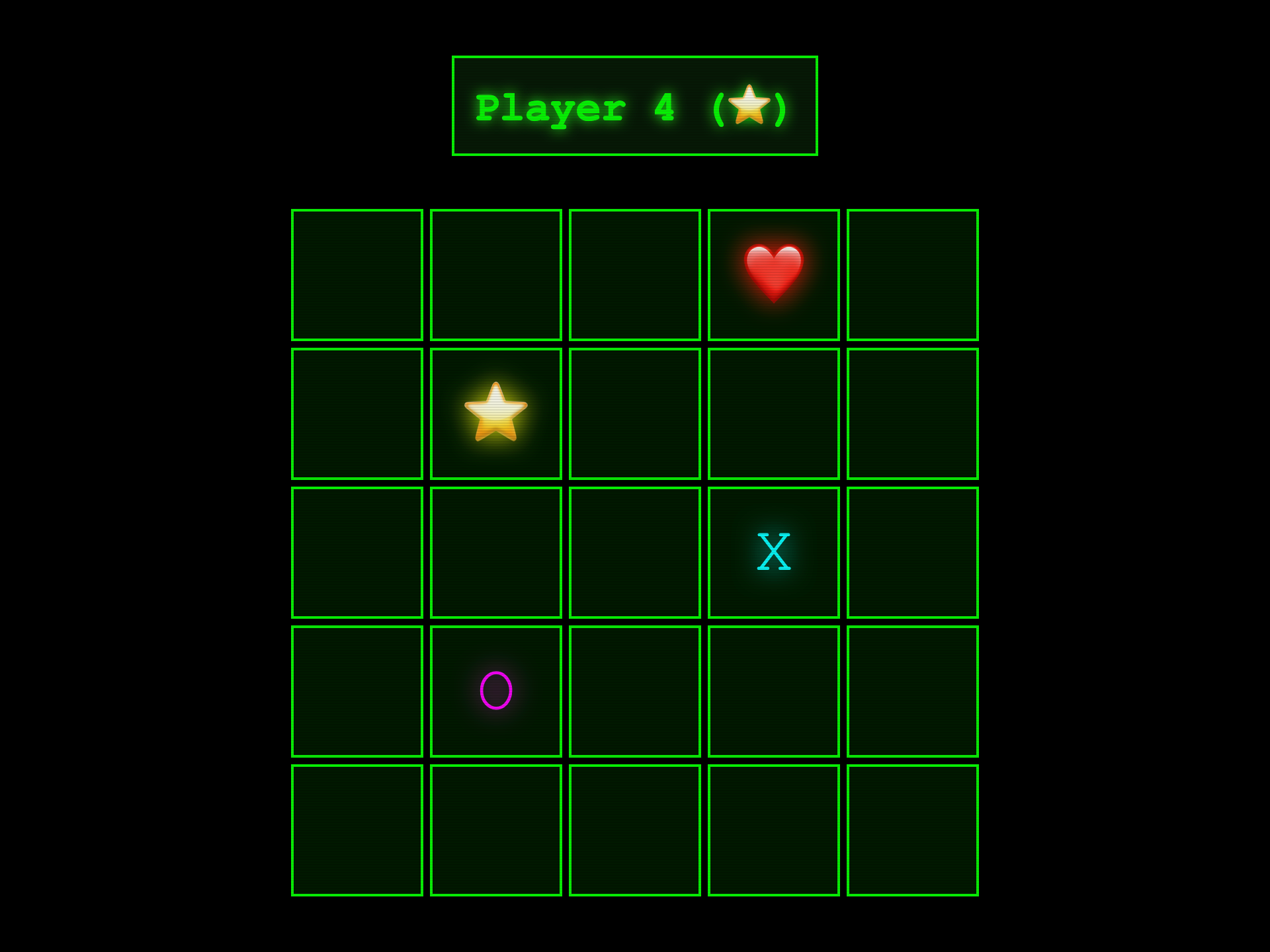
My son was home sick from school one day. I wrote a prompt for him and had him fill in a blank. He wanted to make a version of Tic-Tac-Toe that the four of us in our family could play together while awaiting an order at a restaurant. You can read the result here. The prompt essentially asks the agent to create his idea for him, then teach him how it was made in a fun, gamified way. Through a step-by-step process, he made the game himself, and had the AI check his work.
The agent predicted twenty hours of manual development, and we had nowhere near that time. So I did allow him to use the agent to perform certain tasks if he could describe them in a manner which demonstrated understanding. By the end of the day, he had created his own version of the game. He had worked in some features which made his an improvement over the example. In one day, he had developed a surprisingly strong grasp of both how to code, and how to use AI tools to help.
You can play his game here. It's really fun! Especially if you have mostly human players.
I created a repo for the project here. I left his code out. For one, it was messy. But more importantly, you can start with this to teach your kids to code (start at the README.md file). Or yourself. Alternately, you can start with the prompt and drop in a different concept.
We started this project using Warp with Claude Sonnet, then VSCode for most of the manual work, jumping back to Warp as needed. If we did it again, we would have started with VSCode, using Github Co-Pilot with Claude Sonnet.